 Skip to content
Lead Dioxide Anode (Pb02)Manufacturer l custom Ti/Pb02 Electrodesfor Electrowinning & Wastewater Treatment
Lead dioxide (PbO₂) anodes are DSA electrodes with PbO₂ coatings electrodeposited in lead salt aqueous solutions. They are suitable for high current density electrodeposition and complex electrochemical oxidation scenarios in wastewater treatment. XUBO,a manufacturer deeply dedicated to lead dioxide-coated titanium anodes for 20 years., boasts an ISO-certified factory in China and complete independent R&D and production capabilities. Our Ti/PbO₂ anode coatings are dense, have strong adhesion, and a lifespan of 3-5 years. We provide customized solutions, fast delivery, and global technical support.
Ti/Pb02 Anode Product Range
Select the electrode geometry and coating thickness design based on process conditions. The application must be verified against the selected configuration and project standards, taking into account the electrolyte, current density, pH value, operating temperature, expected service life, substrate dimensions, and connection requirements.
Flat Plate Ti/Pb02 Anodes
Our planar titanium-based lead dioxide anodes feature a dense electrodeposited PbO₂ coating, low resistivity, outstanding electrical conductivity and corrosion resistance, and robust structural integrity, maintaining a stable electrochemical potential in corrosive media.


Wavy(Corrugated)Ti/Pb02 Anodes
Our corrugated lead dioxide-titanium anodes feature a wave-like structural design that enhances mechanical strength by 50% and increases specific surface area by 30% compared to conventional anodes, resulting in more uniform current distribution and significantly improved metal deposition quality.
EMEW Ti/Pb02 Mesh Anodes
Our anode mesh features a unique 3D network design that enhances fluid turbulence and mass transfer efficiency, improves current efficiency, and reduces anode overheating; this significantly boosts electrolytic recovery rates and processing performance while minimizing additive waste.


Ti/Pb02 Electrode Sheets & Small-Format Electrodes
Our electrode sheets utilize a high OEP PbO₂ active layer. This coating is hard and dense, exhibiting high catalytic performance, stable operation, and a compact structure, making them suitable for laboratory or small-scale electrolysis systems.
Custom Geometries,Frames& Anode Assemblies
When the anode substrate, frame structure, and components are custom-designed according to application conditions, the characteristic lead dioxide coating and precisely matched geometry can achieve predictable energy-saving effects.

Pb02 Anode vs MM0, Platinized & Lead-Alloy Anodes: which to Choose
All four types utilize a titanium substrate; differences arise from their distinct surface coatings, which alter electrochemical properties and suit them for various electrochemical applications. Compared to MMO, platinized, and lead-alloy anodes, PbO₂ anodes offer a wider potential window and a higher oxygen evolution potential. MMO, platinized, and lead-alloy anodes leverage synergistic effects involving precious metals or alloys (such as Pt or Pb-Sb) to offer greater versatility, making them suitable for traditional industrial systems where cost or compatibility is a key concern. You can select the optimal core electrode solution for your electrolysis or electrocatalysis process by evaluating the following criteria against your specific industry requirements.
0xygen verpotential & Current Efficiency Comparison
When selecting anode materials based on electrolysis processes and energy consumption, those with low oxygen evolution overpotential and high current efficiency can achieve lower cell voltage energy consumption and more predictable electrolysis output. Below are four types of anodes; please select the one best suited to your specific operating conditions.
| Parameter / Dimension | PbO2 Anode (Lead Dioxide) | MMO Anode (Mixed Metal Oxide) | Platinum Anode (Platinized Ti/Nb) | Lead-Silver Alloy Anode (Pb-Ag 0.5%~1%) |
| Oxygen Evolution Overpotential (V vs. SHE) | 1.80 – 2.10 V 🟡 | 1.39 – 1.50 V ✔️ (Lowest) | 1.56 – 1.60 V 🟡 | 1.65 – 1.85 V ❌ (Highest) |
| Current Efficiency (%) | 75% – 95% | 88% – 95% | 92% – 98% ✔️ (Highest) | 70% – 85% ❌ |
| Operating Current Density (A/m²) | 200 – 1500 | <= 2000 – 8000 ✔️ | 250 – 1000 | 50 – 250 ❌ |
| Service Life / Lifespan | 3 – 5 years | 2 – 20 years ✔️ | 2 – 20 years ✔️ | 1 – 2 years ❌ |
| Relative Cost Index | Low (1.5 – 2x) ✔️ | Medium (2 – 3x) | High (4 – 6x) ❌ | Lowest (Benchmark 1.0x) ✔️ |
| Environmental Friendliness | Good | Excellent ✔️ | Excellent ✔️ | ❌ High risk of lead pollution |
| Suitable Electrolytes / Media | Sulfuric & nitric acid systems; sulfate wastewater | Sulfuric & nitric acid media, seawater, water electrolysis | Chlorine-free acidic / neutral electrolytes | Sulfuric acid systems |
| Applications | Electrometallurgy, landfill leachate, perchlorate synthesis | Chlor-alkali, metal electrowinning, cathodic protection (ICCP), electroplating | Copper foil electrolysis, high-temperature electrolysis, precision electroplating | Traditional zinc/copper electrowinning (being phased out) |
Note:The service life depends on the actual current density and the electrolyte composition.
When Pb02 0utperforms MM Coated Anodes
Both types utilize a titanium substrate but feature active layers created through different coating processes, resulting in distinct performance characteristics suited for industries requiring high-potential oxidation. Compared to MMO anodes, PbO₂ anodes offer a higher oxygen evolution potential (OEP), stronger direct oxidation capabilities, and a lower initial purchase cost. Conversely, MMO anodes excel in chloride ion resistance, service life, and energy efficiency (due to lower cell voltage), making them suitable for continuous, large-scale electrolytic production systems. You can select the appropriate product formulation based on your specific process requirements by considering the following factors.
| Application Scenario | Key Benefit of PbO2 | Typical Industries | MMO Limitation |
| 1. High-Potential Oxidation (High OEP) | Destroys tough organics directly by generating powerful hydroxyl radicals (·OH). | Phenolic pharmaceutical wastewater, dye and textile wastewater, phenol treatment, dye degradation | 10%-30% lower efficiency; struggles to break down complex organics. |
| 2. Low-Chloride Wastewater | Works efficiently without salt/chlorine; achieves 55.3% COD removal (vs. 45.1%). | Industrial wastewater treatment, heavy industry wastewater | Fails completely when chloride (Cl-) concentration is too low. |
| 3. Acid Sulfate Electrowinning | Saves 50%-70% cost compared to Ir-Ta MMO while maintaining high metal purity. | Zn, Cu, Ni, Co electrowinning; chrome plating and electroplating | Ru-Ir corrodes rapidly in acid; Ir-Ta is too expensive. |
| 4. Strong Oxidant Production | Highly stable at high voltages (>1.8 V); perfect for extreme synthesis. | Persulfate synthesis, electrochemical synthesis, chromic acid production | MMO coating degrades quickly above 1.8 V (has a ‘hard voltage ceiling’). |
| 5. Hard Chrome Plating | Dimensionally stable alternative to lead; ensures a smoother plated surface. | Hard chrome plating, piston rings, and hydraulic cylinders in the iron and steel industry | Dissolves in chromic acid; extremely short service life. |
| 6. Laboratory R&D | Highly cost-effective; tolerates extreme polarization and reverse polarity. | Pilot-scale and R&D oxidation reactions, water electrolysis, ozone generators | Very expensive; easily damaged by reverse polarization. |
Pb02vs Traditional Pb-Ag Alloy Anodes
The sole advantage of lead-silver alloys is their low purchase cost; however, they entail high operating expenses, significant pollution, and a short service life. Although lead dioxide titanium anodes have a slightly higher unit price, they offer durability, energy efficiency, and environmental compliance, resulting in a lower total cost of ownership—making them the mainstream choice for upgrading in the global electrowinning industry.
| Comparison | PbO₂ Anode (Ti-based) | Pb-Ag Alloy Anode | What This Means for You |
| Service Life | 3– 5 years | 8~12month | PbO₂ lasts twice as long → fewer shutdowns |
| Daily Consumption | Near zero wear | 3 – 6 mm/month | Lead-silver shrinks, must be topped up |
| Cell Voltage | Stable, minimal drift | Gradually increases | PbO₂ stays energy-efficient |
| Cathode Quality | High purity, no Pb | Prone to Pb contamination | Cleaner Zn/Cu, better grade |
| Compliance | Meets EU/US standards | Facing global phase-out | Lead = regulated heavy metal |
| Maintenance | Maintenance-free | Frequent descaling | PbO₂ resists corrosion |
| Total Cost (5yr) | Lower | Cheap buy, costly run | PbO₂ saves more long-term |
Pb02 Anode Applications in Electrowinning & Wastewater Treatment
In the fields of electrolytic refining and industrial wastewater treatment, lead dioxide titanium anodes have emerged as the optimal alternative to traditional lead-alloy anodes, thanks to their high overpotential for the oxygen evolution reaction, excellent electrical conductivity, and long service life. They not only significantly enhance metal recovery rates but also enable continuous, high-load operation in strongly oxidizing environments, helping enterprises reduce costs and improve efficiency.
Electrowinning & Electrorefining (SX-EW / Hydrometallurgy)
There is significant demand for lead dioxide anodes in the electrowinning and electrorefining (SX-EW/hydrometallurgy) of copper, nickel, and zinc, as these PbO₂-coated titanium meshes offer dimensional stability and reduce the risk of sludge formation. The catalytically optimized PbO₂ layers from Xubo Technology feature high conductivity and durability, ensure no product contamination, and deliver significant cost-effectiveness.
Copper Electrowinning
Through our services, you can source high-purity PbO₂ anodes. We provide anodes tailored for copper electrolysis, enabling stable chemical properties, high current efficiency, and consistent operating voltage during copper refining—perfectly meeting the demands of continuous, round-the-clock copper production.


Zinc Electrowinning
Utilize our premium lead dioxide-coated titanium anodes to build a highly efficient, corrosion-resistant electrolysis system; attract more partners while boosting both the purity of the zinc product and production capacity. These high-quality anodes bring a professional edge to every stage of the zinc smelting process.
Nickel & Cobalt Electrowinning
XUBO supplies lead dioxide-coated titanium anodes in bulk to industrial clients. Designed for nickel and cobalt refining, these anodes—characterized by strong oxidizing capabilities, high activity, superior current efficiency, and long service life—are the ideal choice for non-ferrous metal smelting enterprises looking to upgrade their processes.

Industrial Wastewater Treatment & COD Degradation
We provide titanium-based lead dioxide anodes tailored for water treatment and COD reduction applications. These anodes are custom-manufactured to meet your specific requirements—such as wastewater composition and treatment scale—facilitating the efficient breakdown of organic matter and enhancing COD removal rates, decolorization, and biodegradability.
Applications include: sewage treatment; treatment of corrosive, highly acidic, or organic-rich wastewater; domestic sewage treatment; decolorization of phenolic wastewater; and treatment of oilfield, textile printing and dyeing, and ammonia-nitrogen wastewater.

Electro-Oxidation & Advanced Oxidation Processes (AOP)

XUBO lead dioxide-coated titanium anodes are ideally suited to your process requirements. These anodes not only enhance AOP reaction and electro-oxidation rates but also offer stable resistance to highly oxidizing environments, safely driving the decomposition of pollutants and the treatment of persistent contaminants.
Applications include: production of sodium perchlorate; chromate processing; electrolytic oxidation for the production of oxidizing inorganic compounds; preparation of chromic acid, perchlorates, chlorates, periodates, persulfates, and hydrogen peroxide; and electrochemical oxidation for the synthesis of organic compounds in acidic solutions.
Technical Specifications & Working Parameters
The table below summarizes the technical information and operating parameters of Xubo’s Ti/PbO2 anode electrodes. Our anodes are designed for high oxygen evolution potentials and harsh environments, and are optimized for electrolytic extraction and corrosive wastewater treatment.
Substrate, Interlayer & Coating Structure
The titanium-based lead dioxide anode consists of a titanium substrate, a protective intermediate layer, and an active β-PbO₂ layer. This structure effectively reduces internal stress within the coating, prevents the PbO₂ layer from detaching during use, and enhances the anode’s stability and service life; additionally, the substrate allows for recoating.
| Layer | Material | Note |
| Substrate (Base Layer) | Commercially Pure Titanium GR1/GR2 Niobium, Tantalum also available | Mesh hole size: 6.5×12.5 mm Mesh thickness: 3.0 mm Expanded mesh, wave-shaped |
| Shape | Plate, mesh, tubular, rod, and custom reactor shapes | |
| Interlayer (Middle Layer) | Antimony-doped Tin Oxide (Sn-Sb-Ox) or Ta-Ti Composite Oxide | |
| Active Coating (Working Layer) | High-Purity β-PbO₂ (Main catalytic layer) | Coating thickness: 600 – 1,600 μm (0.6 – 1.6 mm) |
| Connecting materials | titanium, titanium-clad copper, titanium-clad aluminum, stainless steel. | Custom-made based on drawings |
Current Density & Operating Window
PbO₂ anodes are primarily designed for high-current, strongly acidic, and highly oxidizing environments. They exhibit optimal stability at medium-to-high current densities of 10–50 A/dm², and their broad pH operating range (1–12) makes them suitable for the vast majority of strong-acid electrowinning and wastewater treatment systems. To ensure a service life of 3–5 years, it is essential to avoid operating conditions involving high chloride or fluoride concentrations and excessive temperatures.
| Parameter | PbO₂ Anode (Titanium Substrate) | Note |
| Recommended Operating Current Density | 10 – 50 A/dm² (1000 – 5000 A/m²) | Standard range for electrorefining & wastewater. Most stable here. |
| Max Allowable Current Density | ≤ 100 A/dm² (10,000 A/m², short-term) | Exceeding accelerates coating wear — don’t push long-term. |
| Oxygen Evolution Potential Window | ≥ 1.70 V vs SHE (typically 1.8 – 2.1 V) | High overpotential = strong oxidation. Perfect for tough pollutants. |
| Typical Cell Voltage Range | 1.5 – 1.6 V (at OER) / Actual cell voltage: 1.9 – 4.5 V | Varies with medium & current density. |
| pH Operating Window | 1 – 12 (Best in strong acid to neutral) | Most stable in H₂SO₄/HNO₃. Alkaline needs special formula. |
| Temperature Window | ≤ 60 °C (short-term up to 80 °C) | Overheating risks titanium passivation & coating cracking. |
| Cl⁻ Tolerance Window | ≤ 1 g/L (Low-chloride systems) | High Cl⁻ Switch to MMO. PbO₂ shines in direct oxidation mode. |
Service Life by Application Condition
The service life of PbO₂ anodes varies significantly depending on the application: under standard zinc or copper electrowinning conditions, they offer a stable service life of 3–5 years with a total cost far lower than that of traditional lead-silver alloys; however, in highly oxidizing, high-load environments—such as those involving perchlorates—their lifespan naturally shortens to approximately one year. When used in the appropriate operating conditions, they represent the most cost-effective DSA (Dimensionally Stable Anode) option.
| Application | Operating Conditions | Typical Service Life | Quick Take |
| Zn/Cu Electrowinning (Sulfuric Acid System) | 100–150 g/L H₂SO₄, 300–500 A/m², 40–60°C | 3 – 5 Years | The gold standard; longest lifespan under ideal conditions. |
| Ni/Co Electrowinning (Cl⁻ < 1g/L) | Warm acidic bath, 180–230 A/m² | 2 – 3 Years | Double the life of lead-silver alloys; impurities shorten lifespan. |
| Perchlorate Synthesis (Strong Oxidation) | Concentrated acid / High Cl⁻, sustained high potential | Approx. 1 Year | Extreme oxidation consumes the coating fastest (baseline). |
| Hard Chrome Plating | Chromic acid (CrO₃), medium-high current density | 1.5 – 2 Years | Strong oxidizing acid environment; moderate-to-short lifespan. |
| Industrial Wastewater Treatment (Low Chloride) | 10–40 mA/cm², Neutral to Acidic | 2 – 3 Years | Continuous operation; significantly outlasts graphite anodes. |
| High-Salinity/Cyanide Wastewater | High current, intermittent operation, Cl⁻/CN⁻ present | 1 – 2 Years | Higher oxidation load equals shorter service life. |
| Extreme Conditions (Over-limit) | >60°C / >50 A/dm², Fluoride ions present | 6 – 12 Months | Lifespan drops sharply outside design parameters. |
Oxygen Overpotential & Corrosion Resistance in Acidic Media
The PbO₂/Ti anode is an “oxidation specialist” for acidic systems: its high oxygen evolution overpotential (1.8–2.1 V) grants it exceptional oxidizing power. It performs superbly in sulfuric and nitric acid media, making it an ideal alternative to lead-silver alloys. However, it is sensitive to chlorine and fluorine; therefore, it should be used in halogen-free acidic environments to fully realize its advantages of long-term corrosion resistance.
| Test Item | PbO₂ Anode (Titanium Substrate) | Explanation |
| Acidic Oxygen Evolution Overpotential | 1.8 – 2.1 V vs SHE | ~0.4 V higher than MMO, ~0.2 V higher than Pb-Ag. Higher overpotential = stronger oxidation power. |
| Dilute H₂SO₄ Tolerance | Excellent (≤ 30% concentration) | The “home turf” for Zn/Cu electrowinning — long-term immersion without dissolving or powdering. |
| Concentrated Acid Tolerance (H₂SO₄/HNO₃) | Good (≤ 60°C, short-term for concentrated acid) | Usable for perchlorate/chrome plating; special formulation needed for sustained high-temp operation. |
| Hydrochloric Acid (HCl) Tolerance | Poor (not chloride-resistant) | For [Cl⁻] > 1 g/L, switch to MMO — otherwise coating corrodes fast and life drops sharply. |
| Hydrofluoric Acid (HF) Tolerance | Very Poor | Even trace fluoride destroys the coating. Strictly forbidden in the bath. |
| Organic Acid Tolerance | Good | Stable in acetic acid, oxalic acid, etc. — suitable for organic electrosynthesis. |
| Overall Corrosion Resistance Rating | ★★★★☆ (Acid-Specialist) | Tough in acid, vulnerable to chloride & fluoride. The best upgrade from lead-silver anodes. |
Lead Leaching, Electrolyte Purity & Environmental Compliance
Xubo specializes in lead dioxide-coated titanium anodes; we strictly control lead leaching to below 0.1 mg/L to ensure high electrolyte purity, helping you easily meet REACH environmental compliance standards. We offer highly competitive pricing and comprehensive testing support—including SEM, XRF, and adhesion verification—along with expert-led customization tailored to your specific needs. We are confident you will be satisfied with our industrial electrode products and services.
How Coating Density & Interlayer Design Prevent Lead Dissolution
Lead dioxide titanium anodes primarily employ three measures to inhibit lead dissolution. First, the substrate surface undergoes micro-etching and activation treatments to achieve controllable roughness, thereby increasing coating adhesion by 70%. Second, a protective intermediate layer is incorporated to enhance the bonding strength between the substrate and the PbO₂ coating. Third, Xubo’s superior electroplating process ensures a dense β-PbO₂ coating structure with strong adhesion.

Lead Contamination Limits in Copper/Zinc Electrowinning
| Comparison | Traditional Pb-Ag Alloy Anode | Ti-Based PbO₂ Anode | Industry Standard Requirement |
| Pb Concentration in Electrolyte | 1 – 35 mg/L ❌ | < 0.1 mg/L ✅ | Zn Electrowinning: ≤ 1 mg/L |
| Pb Content in Cathode Zinc | Prone to exceed limits (>0.03%) ❌ | ≤ 0.003% ✅ | Zn 99.995% Grade: ≤ 0.003% |
| Pb Content in Cathode Copper | Hard to meet LME specs ❌ | ≤ 2 ppm ✅ | LME Grade A: ≤ 10 ppm |
| Compliance Risk | High (Fines/Production Halts) ❌ | Low (REACH/RoHS Ready) ✅ | —— |
Key Insight:With Pb leaching suppressed to < 0.1 mg/L, our Ti/PbO₂ anodes ensure cathode products consistently hit LME and SHG Zinc specs, eliminating purity penalties.
Lead Leaching Test Data & Compliance Documentation (RoHS / REACH
| Item | Test Data & Compliance Standards | Why It Matters |
| Pb Leaching Rate (Accelerated Polarization Test) | 1.42×10⁻³ mg·h⁻¹·cm⁻² Conditions: 1 mol/L H₂SO₄, 10 mA/cm², 12h | Confirms dense coating structure. Locks Pb inside. |
| Pb Level in Electrolyte (Operating Conditions) | < 0.1 mg/L Far below Zn electrowinning limit (≤ 1 mg/L) | Guarantees SHG Zinc & LME Copper grade output. |
| RoHS Compliance (EU 2011/65/EU) | Pb ≤ 0.1% (Homogeneous Material) Includes SGS Test Report | EU market access secured. No hazardous substance issues. |
| REACH Compliance (EC 1907/2006) | SVHC 247 Substances Screened Passes substance restrictions | Zero customs risk. No SVHC violations or shipment holds. |
| Supporting Documents | SGS Report + RoHS/REACH DoC (Declaration of Conformity) | Ready for audit. No extra testing required. |
Pb02 Anode Manufacturing & Engineering Capability
Trusted Engineering Capabilities: Lead anode manufacturing precision of ±0.01mm, a 99.8% yield rate, and a 15% reduction in energy consumption per cell. A reliable choice for precision electrode solutions—spanning everything from prototyping to mass production—we help you significantly extend electrode service life and lower waste treatment costs, enabling stable, efficient, and green production.
Titanium Substrate Pretreatment & Interlayer Deposition
The titanium substrate undergoes micro-etching and activation treatments, extending the electrode’s service life to three times that of traditional anodes. A sol-based intermediate layer ensures excellent adhesion, with no delamination observed during 3,000-hour accelerated corrosion testing. This effectively prevents coating cracking and passivation of the titanium substrate.PbO2anode production capacity.

Electrodeposition Process Control: a-Pb02 vs B -Pb02 Crystal Phase

Precise control of the α/β dual-crystal phase via electrodeposition: the dense α-PbO2 phase provides corrosion resistance, while the β-PbO2 phase offers high oxidative catalytic activity. This synergistic dual-phase effect extends service life by over 40%. our ISO quality control process
Coating Thickness Uniformity & Adhesion Control
Precise manual thickness control (500–1000 μm range) and gradient thermal oxidation ensure coating adhesion meeting the ASTM 5B standard, with zero delamination after 3,000 hours of erosion testing. This effectively eliminates coating perforation and peeling.

In-House Testing: XRD, SEM, Accelerated Life Testing
Test Item | Key Data |
|---|---|
XRD Phase Analysis | β-PbO₂ ≥ 85% (High Catalytic Activity) |
SEM Morphology | 1.0mm±0.05mm, Porosity < 0.5% (Zero Cracks) |
Accelerated Life Test | 3,000 hrs @ 10 A/dm², Voltage rise < 10% |
Custom Engineering: Geometry, Cell Fit & Anode Assemblies
| Customization Scope | Specification / Data | What Problem It Solves |
| Geometry Customization | Plate / Mesh / Tube / Rod Thickness: 3–10 mm Complex cutting & drilling supported | Precision-fit into complex tank geometries |
| Electrolyzer Adaptation | Vertical / Horizontal / Concentric layouts supported 20–50 mm inter-electrode gap adjustment slots | Direct replacement of old anodes; saves tank retrofit costs |
| Anode Assembly (Plug-and-Play) | Pre-installed Cu/Ti current bar + PPS/PVDF flange Hermeticity ≤ 1 Pa | Ready to install on arrival; eliminates on-site welding & leakage risk |
MTC and certified test reports can be provided with the shipment.To learn more about the laboratory and testing equipment, please click here.
Pb02 Anode Project Cases
We are well aware of the extensive range of applications for lead dioxide (PbO₂) anodes, spanning everything from electroplating workshops and electrolysis plants to environmental water treatment systems. Below are some of the most common application scenarios for our lead dioxide (PbO₂) anodes.


What Is a Lead Dioxide Coated Titanium Anode?
The lead dioxide-coated titanium anode is a type of titanium electrode used in electrometallurgy; it utilizes a lead dioxide coating on a titanium substrate to provide electrical conductivity and catalytic activity. Available in various specifications and shapes, this anode is primarily used in sulfuric acid, nitric acid, and alkaline electrolytes. It is suitable for a wide range of industrial electrolysis applications and strong oxidizing processes, including high-demand oxidation cells, large-scale reactors, industrial wastewater treatment, and low-pH oxidation.
Structure: Ti Substrate + Interlayer + Pb02 Coating
The lead dioxide-titanium anodes provided by Xuboti utilize high-strength titanium as the conductive substrate and structural framework; an anti-passivation intermediate barrier layer is formed on the surface, while a highly active β-PbO₂ coating is electrodeposited as the outermost layer. This three-layer synergy combines the structural stability of the titanium substrate with the prevention of interfacial oxidation failure, while fully leveraging the potent electrochemical catalytic performance of PbO₂ to create a corrosion-resistant, long-lasting industrial electrolysis anode.
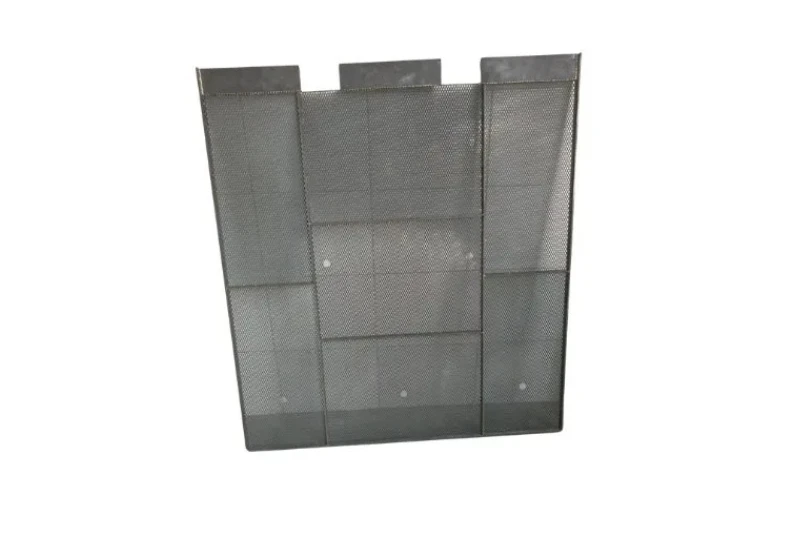
a-Pb02 vs B -Pb02: Structure & Performance Differences
| Feature | α PbO₂ | β PbO₂ |
| Structure | Orthorhombic (Tightly packed) | Tetragonal (Open structure) |
| Conductivity | Lower | Higher ⚡ |
| Bonding Strength | Stronger 🔗 (Sticks better) | Weaker |
| Role in Anode | Inner Layer (The “Anchor”) | Outer Layer (The “Worker”) |
| Main Job | Prevents peeling | Handles electrochemistry |
Why Titanium Is Used as the Substrate

✅ Exceptional Durability: Titanium resists strong acid corrosion and withstands long-term operation with minimal wear.
✅ Extended Service Life: 3–5 years.
✅ Superior Cost-Effectiveness: While the initial cost of titanium is slightly higher, its low maintenance requirements and long lifespan make it more economical over the entire lifecycle.
✅ Ease of Fabrication and Integration: It is easy to cut and weld, and can be customized in size and shape for seamless integration into various types of electrolysis equipment.
Why Buy Pb02 Anodes from Xubo
Xuboti operates its own ISO9001-certified factory and boasts a technical team of materials engineers and electrochemistry experts. With 20 years of deep expertise in lead dioxide-coated titanium anodes, the company is committed to its proprietary electrodeposition process. We offer customization (OEM/ODM) and substrate recoating services, along with rapid global delivery, ensuring your complex projects are executed smoothly and on schedule.

Custom Engineering Support from Drawing to Installation
We offer end-to-end customization, covering everything from blueprints to installation. Our team of experts oversees the entire process, ensuring precise project execution and a seamless, efficient experience.

20+ Years Specializing in Titanium Electrodes
Deeply rooted in the titanium electrode sector for over two decades, we possess extensive technical expertise, precisely understand operational requirements, and deliver professional, proven solutions.

In-House Electrodeposition - Not Outsourced Coating
We insist on in-house development of electrodeposition processes and reject outsourcing. We strictly control coating quality, eliminate potential defects, and ensure stable, reliable performance.

Global Delivery, Lead Time & Anode Refurbishment Service
Establishing a global logistics network to ensure rapid delivery. Offering anode refurbishment services to significantly reduce costs and boost efficiency, thereby safeguarding continuous production.
Frequently Asked Questions
We are ready to answer any questions you may have at any time. Click here to contact our engineers.
Our PbO₂ anodes typically offer a service life exceeding eight years, demonstrating superior corrosion resistance and durability compared to standard lead anodes. They are free from issues such as rapid dissolution, coating delamination, or premature failure, ensuring stable operation and reduced overall maintenance costs. There is no need for frequent downtime for replacements; simply using pure water to thoroughly remove surface deposits during scheduled shutdowns allows the anodes to maintain excellent electrolytic performance over the long term.
二氧化铅-钛阳极通常在 500–3,000 A/m² 的电流密度下工作;具体工作范围取决于电解质成分、温度和涂层结构,选择应基于实际工作条件。
由于采用了复合涂层工艺,旭博提新型钛基二氧化铅(PbO2)阳极具有致密的铅涂层和强附着力;在正常工作条件下,阳极的铅释放量小于0.1毫克/升,符合环保标准。
α相具有良好的结合性能,而β相具有高硬度和强催化活性;它们通常结合使用以延长阳极的使用寿命。
The anode (PbO2) facilitates oxidation reactions, releasing oxygen. The cathode facilitates reduction reactions, typically depositing metals or evolving hydrogen.
Yes, they support regeneration. The spent coating can be removed, and a new PbO2 layer can be electrodeposited to extend their lifespan
We typically use high-purity commercial Grade 1 or Grade 2 titanium (e.g., ASTM B265 Gr1/Gr2) for excellent corrosion resistance
Yes, we offer high customization. Anodes can be manufactured as plates, rods, tubes, meshes, or other special shapes to fit your specific tank requirements
We have no minimum order quantity (MOQ) requirement. Lead times vary depending on the order size: 1 to 4 weeks for samples and 4 to 6 weeks for mass production.
Related Titanium Anode Products & Technical Resources
Related product


Related article

How Lead Dioxide Anodes Are Made:
Electrodeposition Explained

PbO2 Anode vs MMMO Anode: Complete Selection
Guide

a-PbO2 vs B-PbO2: Crystal Structure &Performance
Lead Leaching from PbO2 Anodes: Test Data &Prevention
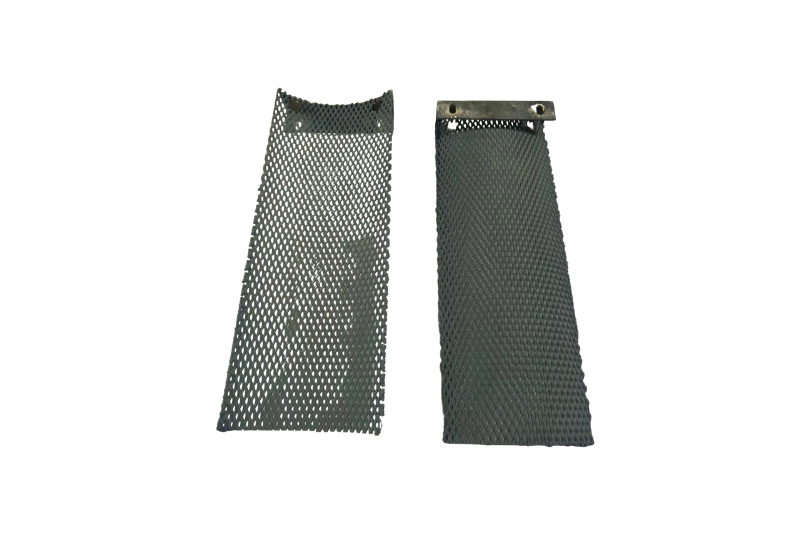
How to Extend PbO2 Anode Service Life
LETS TALK
let's keep in touch
Xubo Anode empowers your business with high-performance Lead Dioxide Titanium Anodes designed for maximum longevity in harsh wastewater environments. We don’t just sell products; we engineer solutions that reduce your maintenance costs.
Ready to boost your profit margins? Fill out the form below. Our engineering team will provide a custom technical drawing and a competitive quote within 24 hours.
+8615332279435
sales@xuboti.com
www.xuboanode.com
